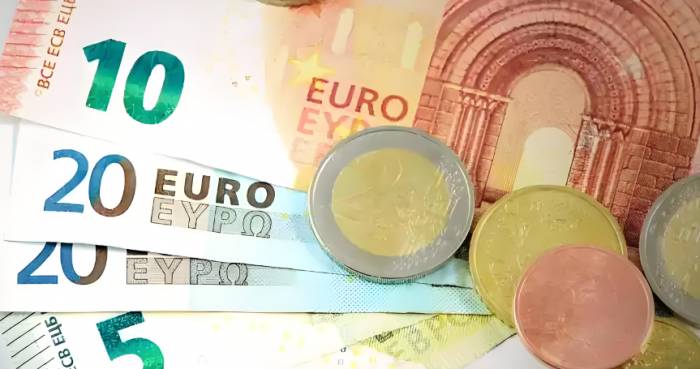
The European Central Bank (ECB) has finally pulled the trigger. After a historic series of hikes to combat inflation, the governing council has decided to cut its key interest rates. This isn't just a story for traders in Frankfurt. It directly changes the math for your mortgage, your savings account, and your investment portfolio. While headlines focus on the "25 basis points" move, the real story is what happens next to the economy and, more importantly, to your personal finances.
What’s Inside This Analysis
Why the ECB Cut Rates Now (It's Not Just Inflation)
Everyone saw it coming, but the timing always matters. The primary driver, as the ECB stated, is confidence that inflation is "on track" to return to its 2% target. Data from Eurostat showed headline inflation cooling more than expected. But focusing solely on the inflation number misses three critical, interconnected pressures that forced the ECB's hand.
First, the Eurozone economy has been skirting stagnation for quarters. Germany, the engine room, has been particularly weak. High borrowing costs were starting to bite into business investment more deeply than anticipated. I've spoken with mid-sized manufacturing firms who put expansion plans on ice purely because of financing costs. The ECB's own Bank Lending Survey showed persistently weak demand for loans from both businesses and households.
Second, there's the political and social pressure. Keeping rates high for too long risks deepening an economic slump, which is a recipe for social unrest and political pushback. Central banks prefer to act preemptively rather than be forced into a panicked cut later.
Third, and this is a subtle point many miss, the ECB was keen to establish some policy distance from the U.S. Federal Reserve. For over a year, the ECB had been largely following the Fed's lead. By cutting first, the ECB signals that European economic conditions are distinct and require a tailored response. It's a move to reclaim narrative control, even if future paths may converge again.
The Immediate Impact: Mortgages, Savings, Loans
This is where theory meets your bank statement. The ECB's key rates—the deposit facility rate, the main refinancing rate, and the marginal lending rate—are the foundation for virtually all other interest rates in the Eurozone.
For Homeowners and Buyers (Variable-Rate Mortgages)
If you have a variable-rate or tracker mortgage, your next repayment statement will likely be lower. The reduction should be passed through within one to three billing cycles. For a €300,000 mortgage with 20 years remaining, a 0.25% cut could mean roughly €40 less per month. It's not life-changing, but it's tangible relief.
The bigger, and more immediate, effect is on new fixed-rate mortgage offers. Banks price these based on long-term market expectations (like the 10-year Bund yield), which often move in anticipation of ECB decisions. We've already seen fixed rates dip in the weeks leading up to the cut. If you're shopping for a home loan, the environment just got a bit friendlier. Don't expect a collapse in rates, but do expect more competitive offers.
For Savers
This is the bitter pill. The golden era for risk-free returns from savings accounts and term deposits is officially winding down. Banks will be quick to lower the interest they pay on new deposits. Existing high-yield offers will vanish. If you've been parking cash in a savings account yielding 3-4%, start planning for that income to shrink. The hunt for yield is back on, pushing savers toward bonds or dividend stocks.
For Businesses and Personal Loans
Business loans, especially for smaller firms, should become marginally cheaper and more accessible. This is the ECB's intended transmission mechanism—to spur investment. Similarly, rates on personal loans, car finance, and credit card debt (where variable) may see slight declines, though these are stickier and banks may try to preserve margins.
| Financial Product | Typical Impact Timeline | What You Should Do |
|---|---|---|
| Variable-Rate Mortgage | 1-3 months | Check your next statement; recalculate your budget. |
| New Fixed-Rate Mortgage | Immediate (in pricing) | Compare new offers; locking in a rate might be wise. |
| High-Yield Savings Account | 1-2 months | Don't wait. If you see a good rate, secure it now. |
| Government & Corporate Bonds | Immediate | Existing bond prices rise. New bonds will offer lower coupons. |
| Business Credit Lines | 1-6 months | Renegotiate existing terms or explore new financing. |
How Financial Markets Are Reacting
The initial market reaction is a complex dance. Here’s how different assets typically respond, though remember, "this time is different" is the most dangerous phrase in finance.
The Euro (€): It usually weakens. Lower interest rates make the currency less attractive to hold relative to others (like the USD if the Fed is on hold). A weaker euro can boost European exporters but also make imports like energy more expensive, which is a tricky side-effect for inflation.
Stock Markets: Generally positive, but uneven. Rate cuts lower the discount rate used to value future company earnings, making stocks theoretically more valuable. Sectors like real estate, utilities, and technology (which rely on future growth) often benefit most. Banks can be a mixed bag—lower rates squeeze their net interest margin (the profit from lending), but a healthier economy means fewer bad loans.
Bonds: This is key. When the ECB cuts its policy rate, yields on government bonds (like German Bunds) typically fall. This means the prices of existing bonds you hold go up. If you own a bond fund, you'll likely see a capital gain. However, any new bonds you buy will now offer a lower interest payment (coupon). This dynamic pushes income-seeking investors further out on the risk spectrum.
The market's real focus is on the forward guidance. Did ECB President Christine Lagarde hint this was a one-off adjustment or the start of a full cutting cycle? The language around future data dependency is parsed like a legal document. The initial rally can fizzle quickly if the guidance is perceived as overly cautious or "hawkish."
What's Next for ECB Policy? The Road Ahead
One cut does not make a cycle. The critical question is: what comes next? The ECB will be walking a tightrope. Their official stance will remain "data-dependent," but we can map the likely path by watching a few specific indicators.
The Inflation Dashboard: Core inflation (excluding energy and food) is the ECB's true north. Wage growth data, published by the ECB itself, is arguably the most important single release to watch. If wage settlements remain high, the ECB will pause, fearing an inflation spiral. Services inflation is another sticky component they'll monitor closely.
The Growth Engine: PMI (Purchasing Managers' Index) surveys give a real-time pulse of business activity. A continued contraction in manufacturing or a stumble in services would build the case for another cut sooner rather than later.
The Fed Factor: Despite wanting independence, the ECB cannot completely ignore the Federal Reserve. A wide divergence in policy (ECB cutting while Fed holds) could cause excessive euro weakness and imported inflation. The ECB will likely try to move in a measured, step-by-step fashion, avoiding a promise of a steady series of cuts.
My base case, shared by many analysts but far from guaranteed, is for one more cut this year, possibly in September or October, unless the data deteriorates sharply. The path will be slow and cautious. The era of ultra-low, negative rates is not returning anytime soon.
Actionable Steps for Savers, Borrowers & Investors
Let's get practical. What should you actually do with your money today?
If You Are a Saver or Have Cash Reserves
The clock is ticking. Scour the market for the remaining competitive term deposit (Festgeld) or savings account offers. Consider locking in a rate for 6-12 months. Once you've secured an emergency fund, think about deploying excess cash. Government bond ETFs with short to medium duration could be a next step. I'm not a fan of moving to risky assets just for yield, but the pressure to do so is real.
If You Are Looking to Buy a Home or Renegotiate a Mortgage
Get your paperwork in order now. Contact multiple brokers or banks. The window for attractive fixed rates may not stay open long if inflation data surprises to the upside. For existing variable-rate holders, calculate if switching to a fixed rate makes sense for your peace of mind, even if it's slightly higher in the short term. It's an insurance policy against future volatility.
If You Are an Investor
Review your asset allocation. A lower-rate environment supports equity valuations, particularly for growth and quality dividend stocks. European equities, long undervalued, might see a relative tailwind. Rebalancing your bond portfolio might be wise—shorter-duration bonds are less sensitive to further rate moves, while longer-duration bonds give you more capital appreciation potential if rates continue to fall. Don't chase the market; have a plan and stick to it.
The worst move is a panicked one. Use this change as a trigger to review your overall financial health, not to make a speculative bet.
Your Top Questions Answered
The ECB's rate cut is a turning point, not a destination. Its success will be measured in months and years, not days. For you, the individual, it's a prompt to move from passive observer to active manager of your finances. Review your debts, scrutinize your savings, and ensure your investments align with this new, slightly lower-rate reality. The central bank has made its move; now it's your turn.